


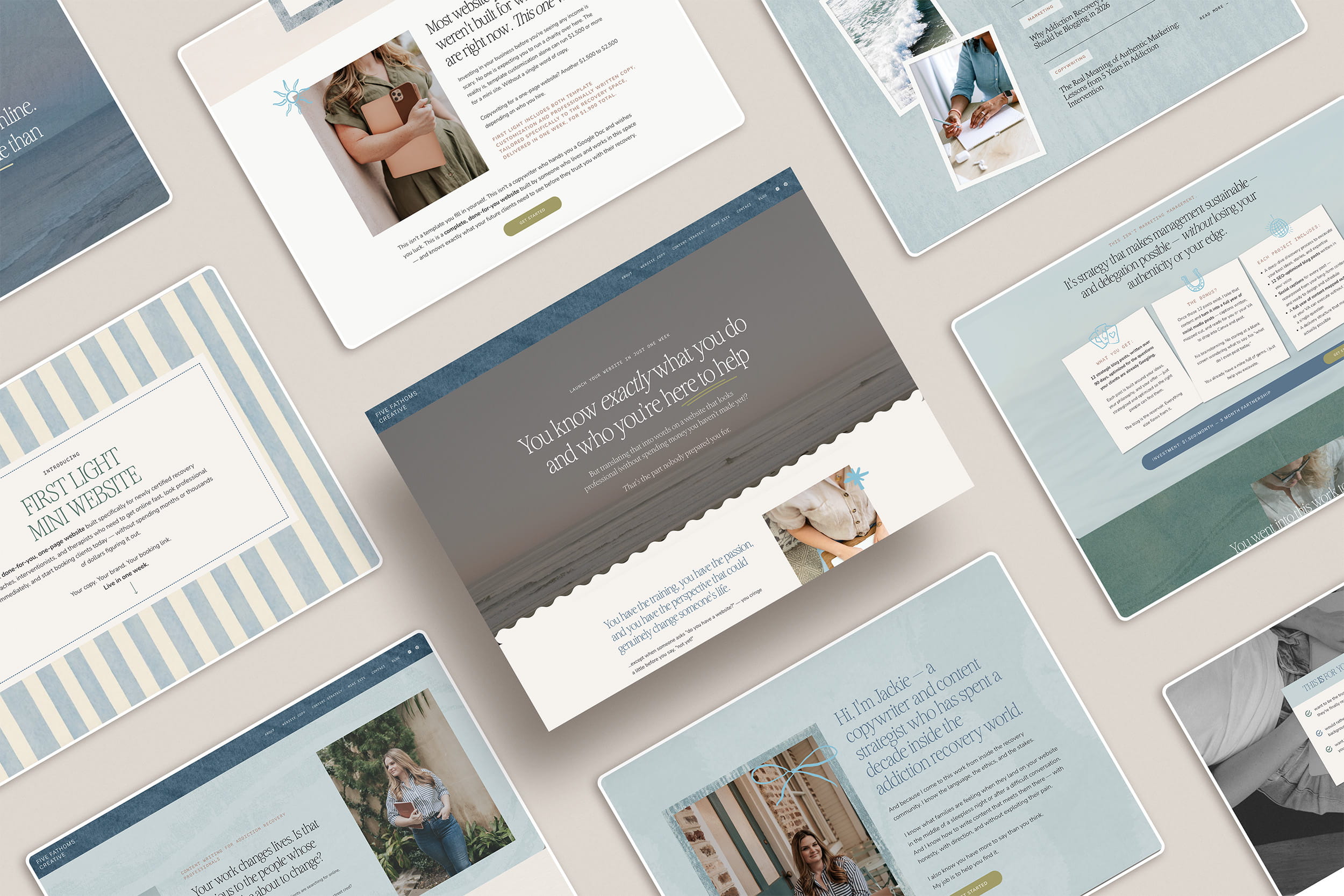

Hiring a website designer is a big decision.
And no, I don’t just mean because of the financial investment (although that is absolutely something to consider!). I mean because your website becomes one of the most important pieces of your business.
It is often the first interaction someone has with your brand before they ever inquire, book a consultation, or step foot inside your studio. It has the ability to build trust, communicate your value, showcase your work, and help potential clients understand why you’re the right person for them.
But here’s what I think: A great website isn’t just about having something pretty to look at.
(Although as a designer, I will always advocate for a beautiful website!)
It’s about creating an experience that feels aligned with your business, supports your goals, and makes it easier for the right people to connect with you.
This is why hiring a website designer shouldn’t end with finding someone whose portfolio catches your eye on Instagram or Pinterest. While the visual connection is important, it’s just as important to look beyond the final designs and understand their process, approach, and the experience they create for their clients.
The designer you choose matters.
Their process matters.
Their approach matters.
Because you’re not just hiring someone to move text boxes around on a screen. You’re hiring someone to help translate your business into an online experience.
And after working with 100+ photographers, florists, interior designers, coaches, and other creative business owners, I’ve learned that the best projects happen when there is trust, collaboration, and a shared vision between client and designer.
So before you sign a contract, here are six questions I believe every business owner should ask when hiring a website designer.
1) What platform do you design websites on?
Kicking off with one of those questions you might not think to ask as long as your website gets built… but the platform you choose impacts so much more than just where your website lives.
Let me explain.
Your website platform affects how easy your website is to update, what features you can add, how much flexibility you have with design (and business growth!), how your website integrates with other tools, and ultimately how confident you’ll feel managing it after launch.
Now before you ask… “Jess, what’s the best website platform out there?”
There is no one “best” website platform.
(I know that’s probably not the answer you expected from a website designer, but it’s the truth!)
Not every platform is created equally, but that doesn’t mean one platform automatically wins over the others.
Different platforms specialize in different things. Some are incredible all-in-one solutions while some give you more creative freedom when it comes to design. Then you have some that prioritize e-commerce while others specialize around functionality.
The right choice depends on you. And your business goals.
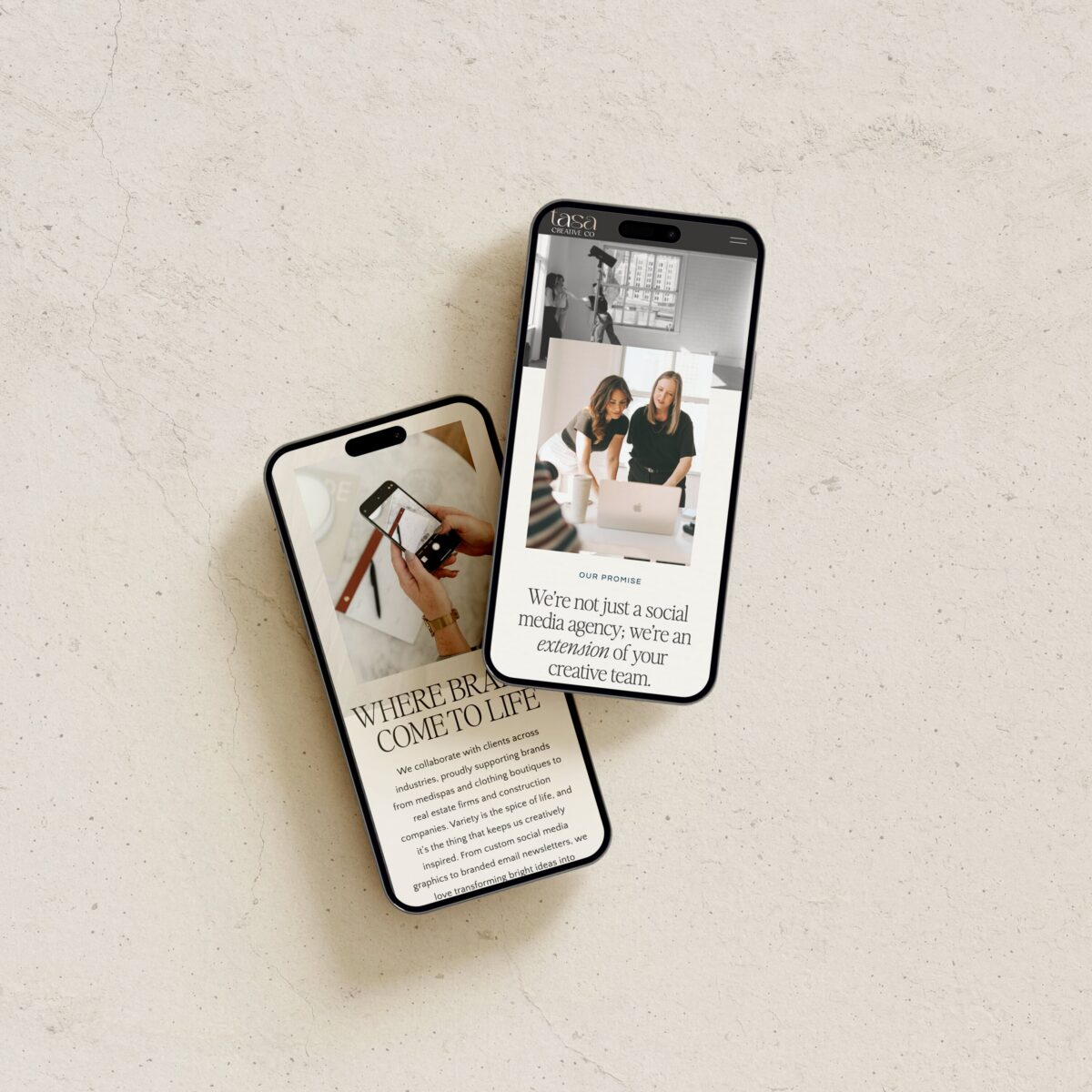
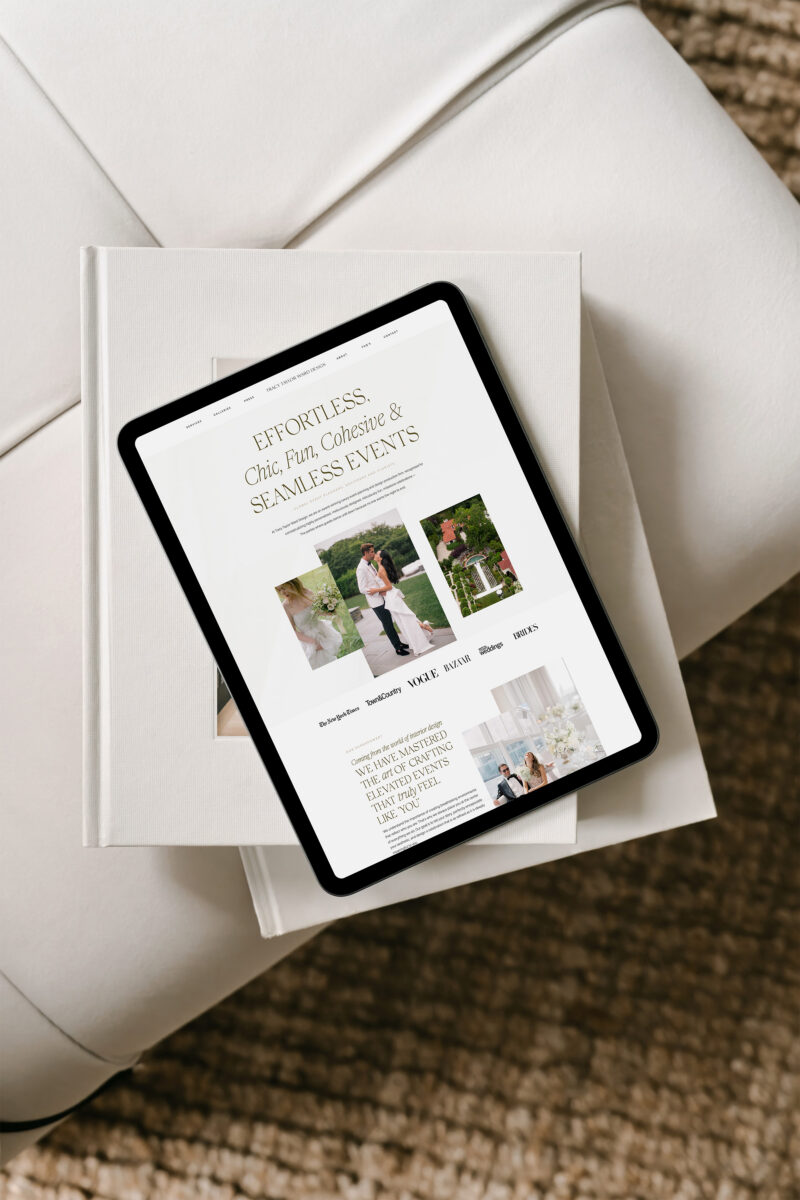
This is why I think having an honest conversation with your website designer is so important.
Your designer shouldn’t force you into the platform they personally prefer. They should be able to explain why a certain platform makes sense for your specific needs.
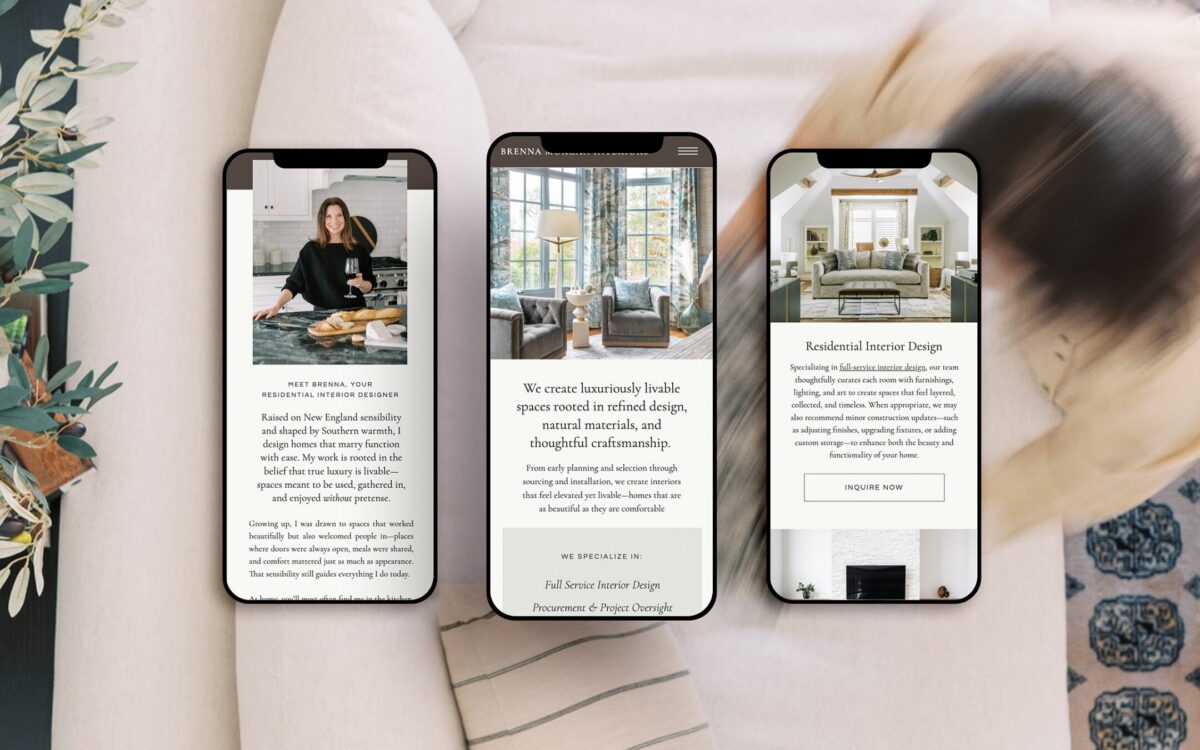
For example, I absolutely love Showit. It’s the platform I specialize in and recommend often because it gives creative business owners so much freedom when it comes to creating a website that feels unique and personality-driven.
But that doesn’t mean it’s the right choice for everyone.
If you are building a large ecommerce shop, Showit (even with its WooCommerce integration) may not necessarily be your best fit. You may be better supported by a platform like Shopify, Squarespace, or WordPress depending on the complexity of your shop and how you want to manage it long-term.
And that is something I would rather have an honest conversation about than push you into a platform simply because it’s what I know best.
On the other hand, if you are a photographer, florist, stylist, or creative business owner who wants a highly designed website but doesn’t know how (or doesn’t want) to code, Showit can be an incredible option because it gives you that design flexibility without requiring you to touch a single line of code! Cool, eh?
The goal isn’t choosing the platform your designer loves. It is choosing the platform that best supports you.
2) What does your design and development process look like?
One of the biggest mistakes I see small business owners make is comparing website designers solely on portfolio or price. Instead, I’d encourage you to ask what happens between signing the contract and launching your website.
For many of my clients, their website is the first time they’ve had to really step back and define what makes their business different. It’s not just choosing colours and picking pretty images (although those are definitely fun parts!). They’re making decisions about how they want their business to be perceived, what they want potential clients to know, and how they want visitors to feel when they land on their website.
I know, that’s a lot to unpack.
Which is why I believe a strong website design process should feel collaborative, not overwhelming.
A website designer shouldn’t expect you to come into the project with every answer already figured out. That’s part of my job: to guide you, ask the right questions, and help bring clarity to the vision you already have for your business.
Before hiring a website designer, I’d encourage you to ask questions like:
- How do you approach strategy?
- What happens before you start designing?
- How do you collect feedback?
- How many refinement rounds do you provide?
- What support do you offer once you complete the website design?
Because the process behind the website often determines the experience of creating it.
And by having a clear process, it creates confidence. It removes the guesswork and allows you to focus on your business while knowing exactly what’s happening next.
What’s my custom website design process?
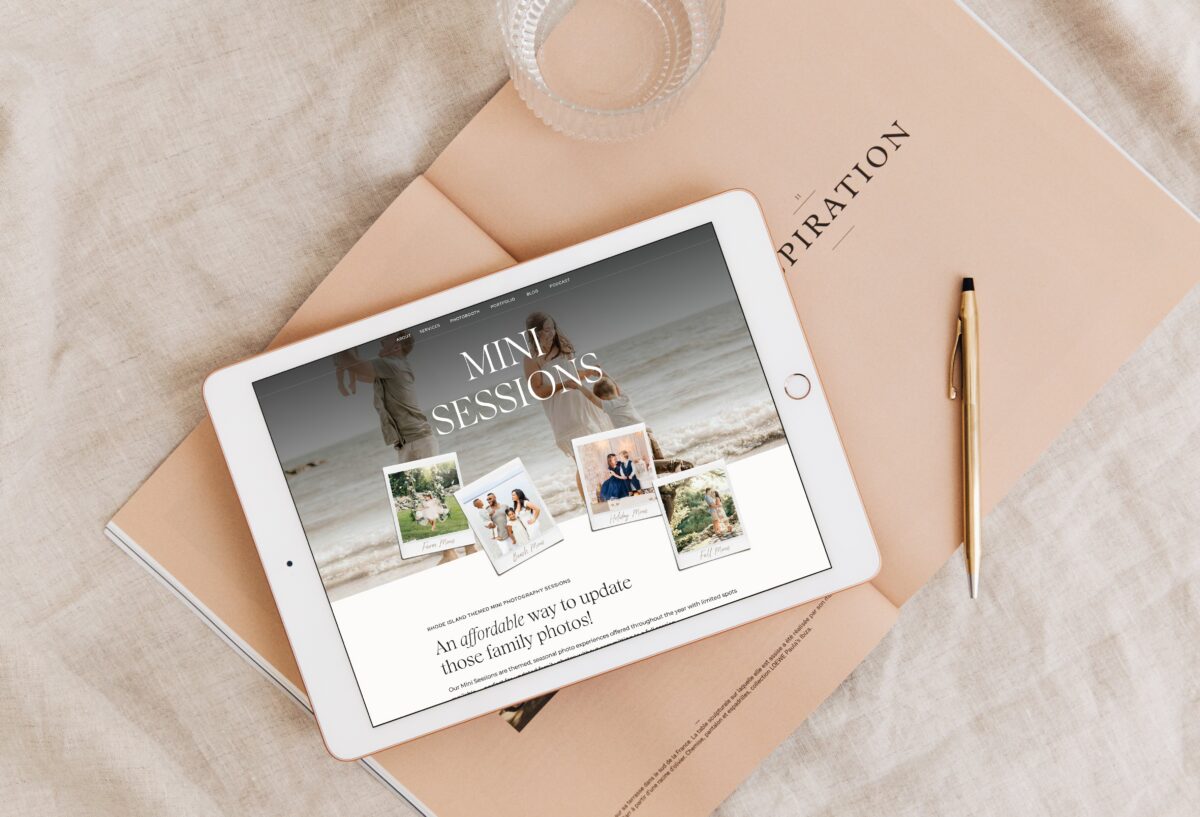
For my custom website design experience, we always begin with an intake questionnaire where I gather a deeper understanding of your business, your goals, your audience, and what you want your website to accomplish.
From there, I take those insights and create a strategy before we jump into design. This is where we determine the overall direction and create a clear path forward — because I don’t believe in designing a website just because something looks good. Every decision should have intention behind it.
Once we approve the website strategy, we move into designing the homepage. This is arguably one of the most important parts of the process because your homepage sets the tone for the entire website! It establishes the overall visual direction, user experience, and feeling we want visitors to have when they land on your site.
When you give the green light on the home page, it is then I move into designing the remaining pages of your website. Throughout this process, I provide two rounds of refinements, and I use a platform called Pastel that lets you leave feedback directly on the website itself. Instead of trying to explain “the button halfway down the page beside the third image,” you can simply click, leave your note, and we can streamline feedback as much as possible.
When we’re close to finalizing everything, I also take care of the backend details, such as: connecting your domain, set up any 301 redirects, complete a final on-page SEO check while making sure all links and functionality are working properly prior to launch.
Lastly, we celebrate with your website handover call, where I walk you through the backend so you feel confident managing your new website moving forward!
Related Post: 4 Questions To Ask When Hiring A Brand Designer
3) Who will actually be designing my website?
I know, it seems like a weird question to ask but there’s a reason – I swear!
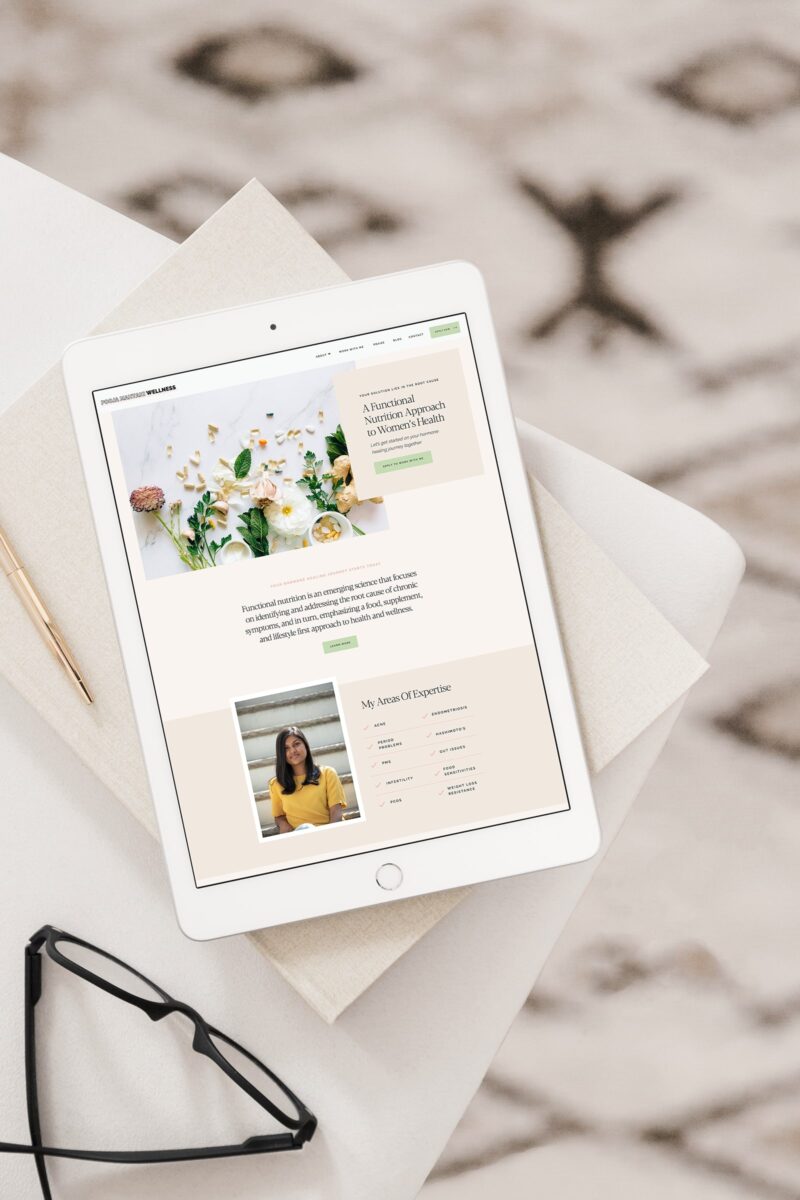
Some design studios have teams. Others outsource parts of the project to contractors. Some designers handle strategy but pass the website to another designer you’ve never met. There’s nothing inherently wrong with any of these approaches, in my opinion, as long as you know what to expect.
The reason I bring this up is because a past client once shared a story with me that has always stuck with me.
During her discovery process, she was browsing different design agencies and found one whose portfolio immediately stood out. She loved the style, the aesthetic, and the overall feeling of their work.
So she signed on… Only after booking did she find out that the agency had multiple designers, and the designer whose portfolio she connected with wasn’t actually going to be working on her project.
The designer assigned to her had a completely different style.
And while that agency model may work well for some businesses, she wanted to make sure the person creating her website understood the exact creative direction she loved.
This is why transparency matters.
If building a close collaborative relationship is important to you, ask who you’ll actually be working with throughout the project. Will you have one point of contact? Will the person whose work made you inquire be the person designing your website?
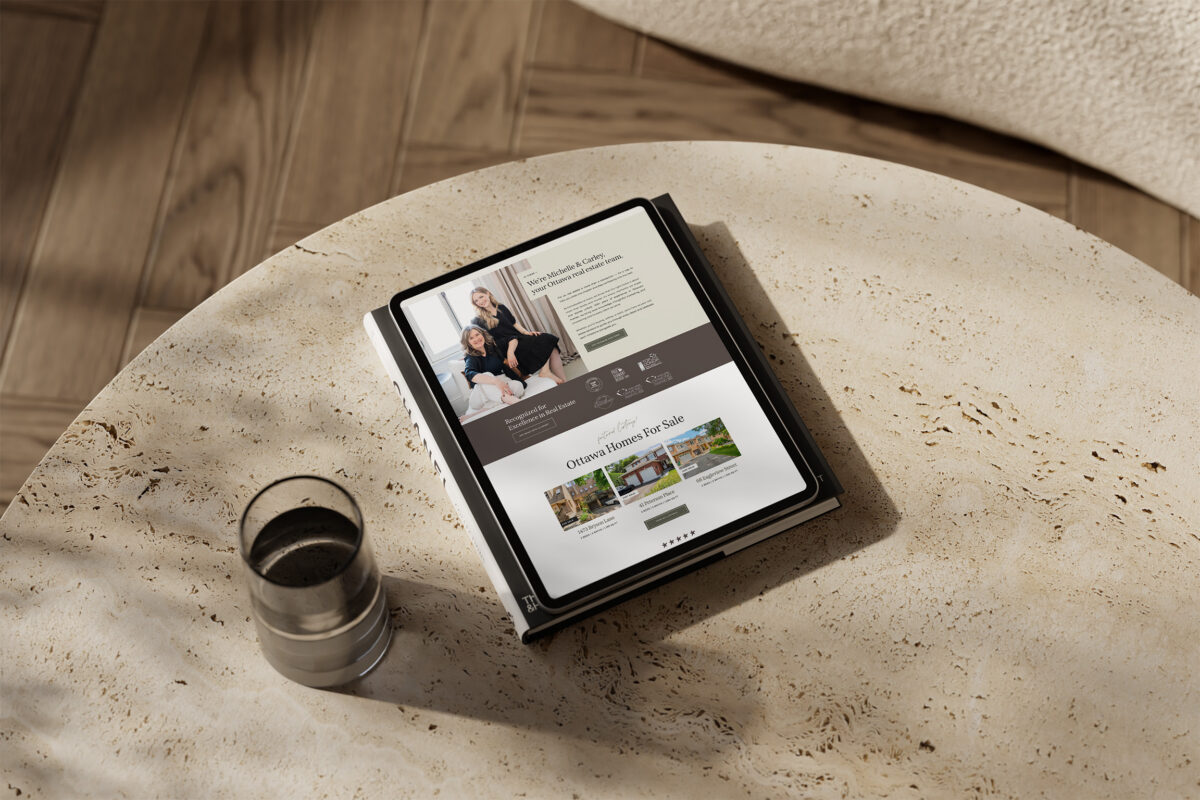
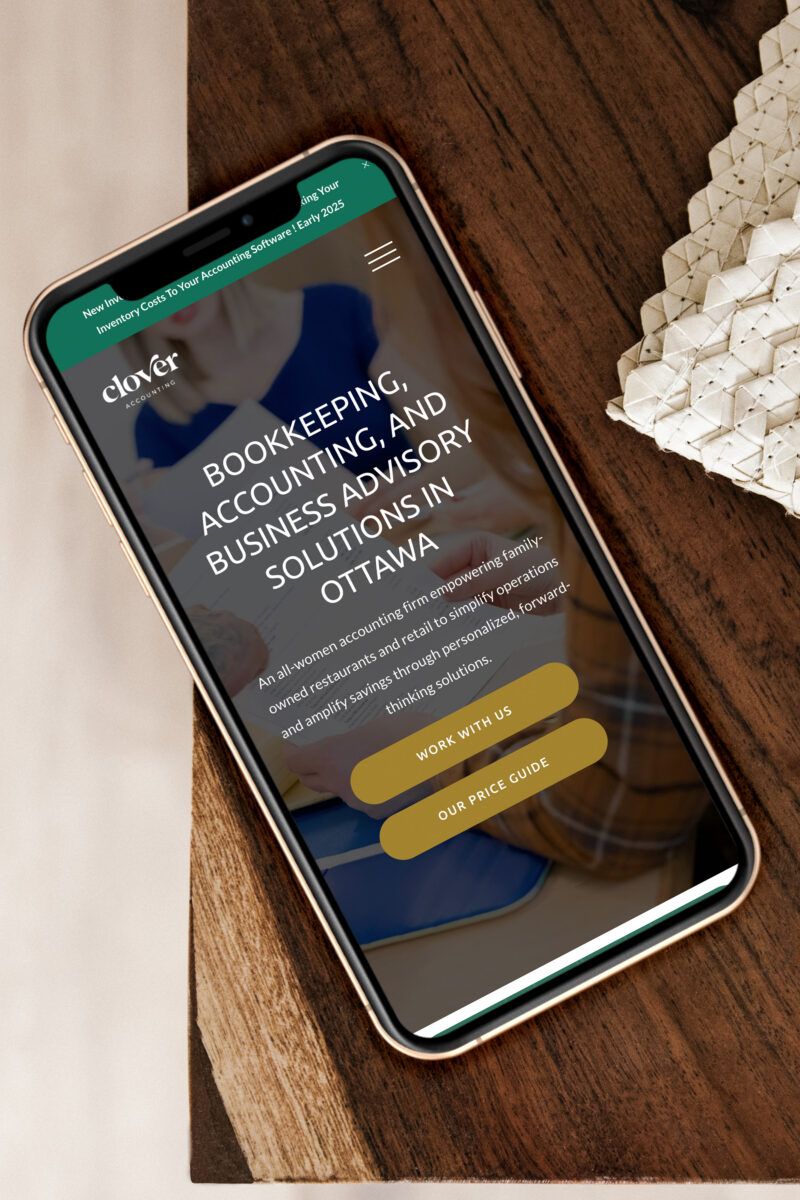
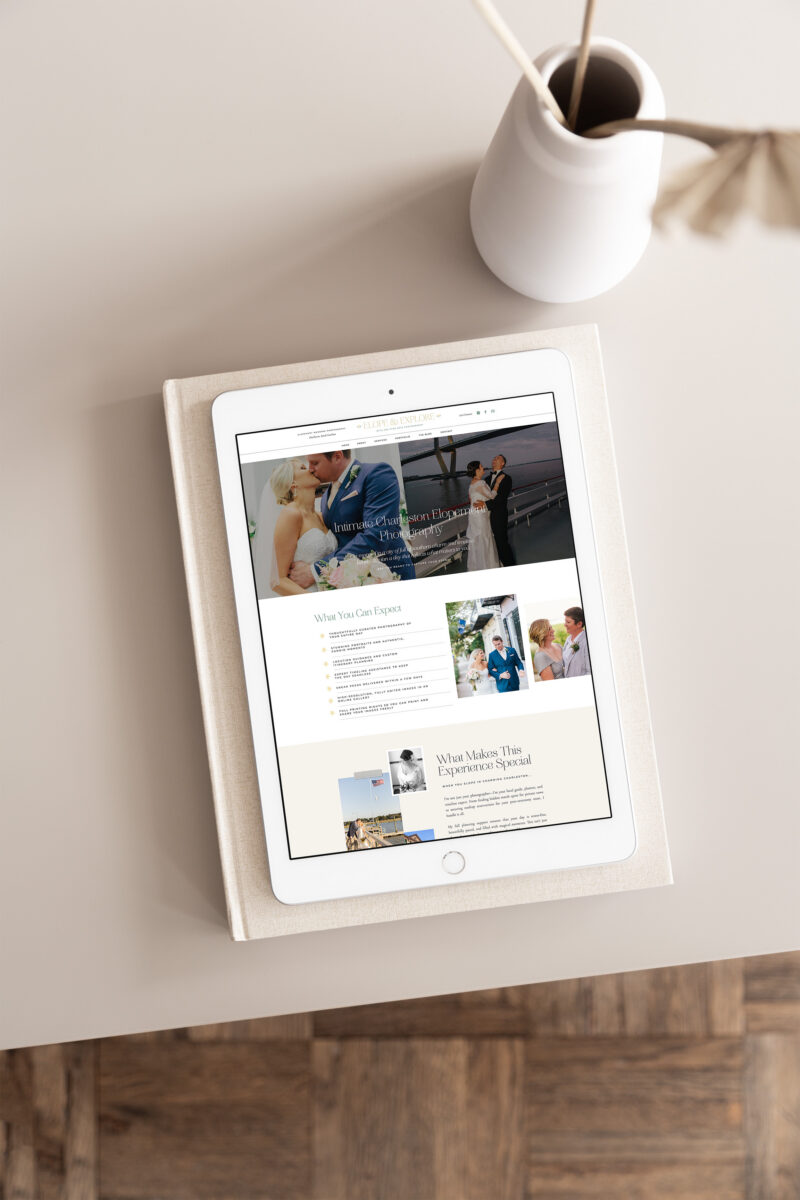
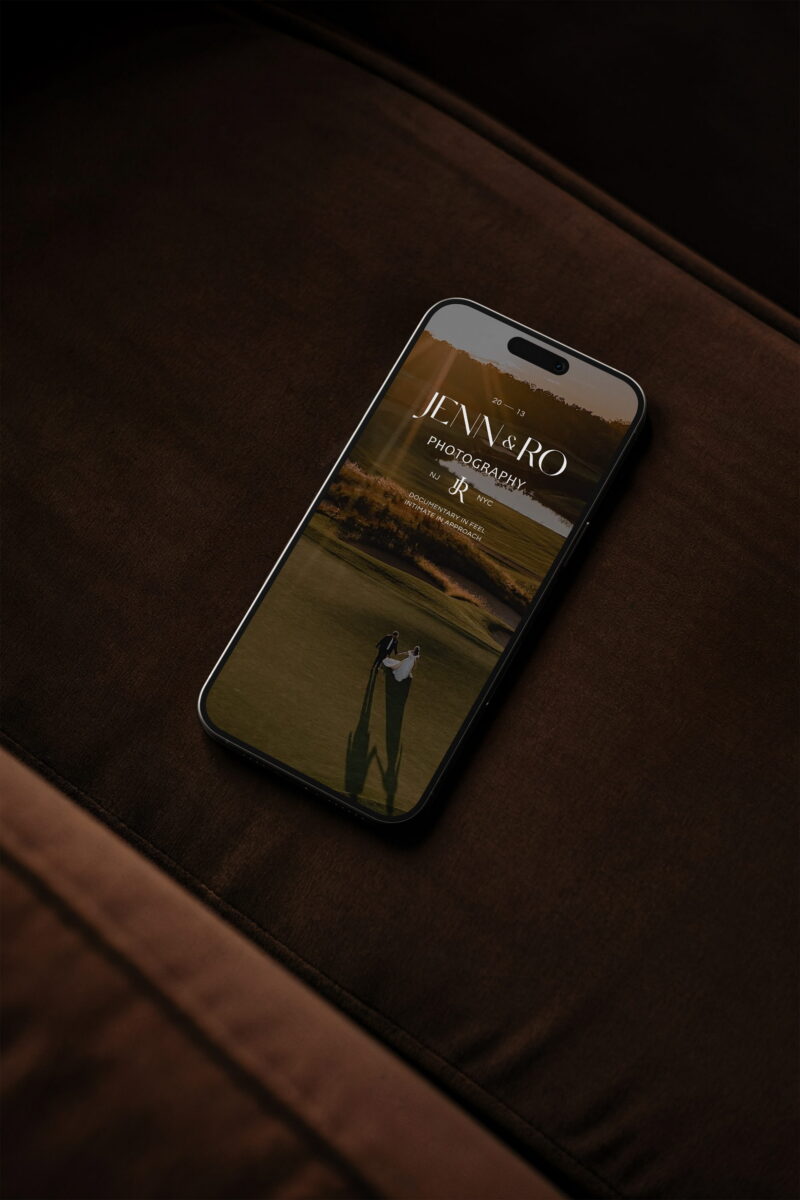
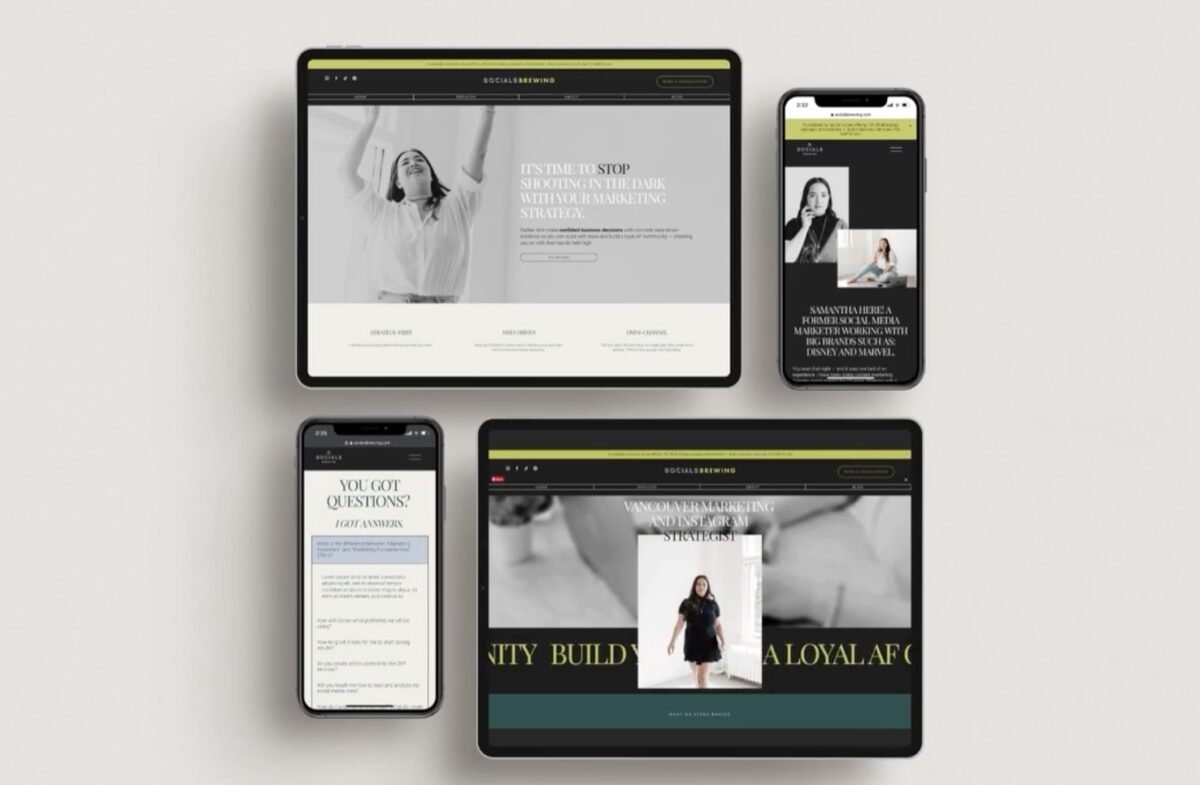
Every website that leaves Vividly Made’s desk is designed by me.
I love being involved in every part of the process – from our strategy conversations and creative direction to the tiny details that make the final design feel intentional.
You know, like those side tangent conversations where we accidentally spend twenty minutes talking about something that had nothing to do with business… BUT somehow ended up on your website? That’s usually where the best ideas come from.
To me, the best websites come from collaboration, and that relationship matters.
4) What costs should I be aware of beyond your service fee?
Website proposals aren’t always comparing apples to apples.
One of the biggest areas where I see business owners feel confused during the website design process is understanding what their investment actually includes.
Before you sign a contract, it’s important to understand not only the price of the website design itself, but also what that investment covers.
How much does website design cost?
This is usually one of the first questions business owners ask… and honestly, I wish there was a simple answer.
When someone says, “My website budget is $5,000,” that number doesn’t always tell the full story because your website is more than just the design itself.
The cost of a website depends on a variety of factors, including the complexity of the project, the platform you’re building on, the level of customization you need, and the strategy involved behind the scenes.
A fully custom website experience that includes strategy, custom design, development, SEO foundations, and launch support will look very different from a template customization or a simpler website build.
Beyond the website design investment itself, there are also additional pieces that help bring your website together and support your business after launch.
For example, you’ll need your website platform subscription, your domain, and an SSL certificate (which helps keep your website secure). You may also need things like font licenses if you want to use a specific typeface, professional copywriting support, stock photography, privacy policies and terms & conditions, or an email marketing platform to help nurture potential clients after they leave your website.
This is also where I think it’s important to remember that a successful website doesn’t rely on design alone.
The visuals, messaging, and strategy all work together.
Beautiful brand photography helps potential clients connect with your work. Thoughtful copy helps them understand your value. Strategic design guides them through the experience and encourages them to take the next step.
These aren’t necessarily “hidden fees”. They’re simply parts of building a complete online presence that many business owners overlook when they only consider website design itself.
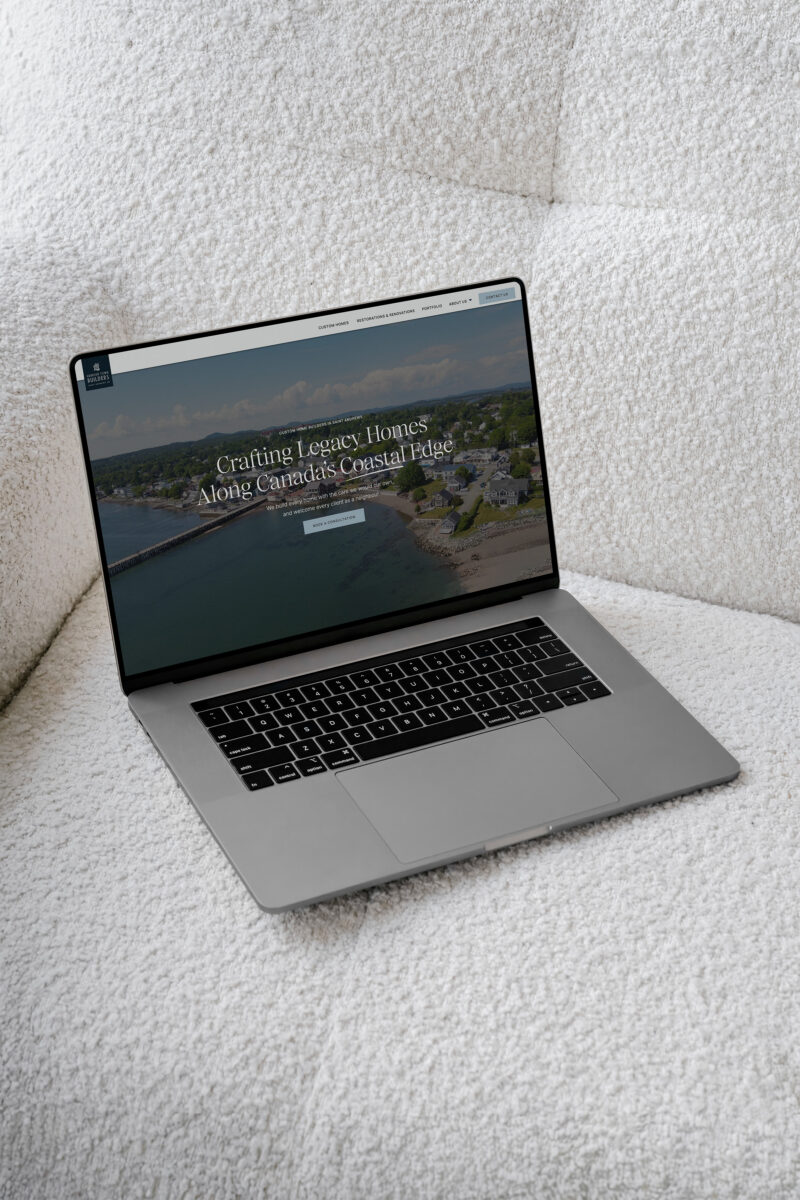
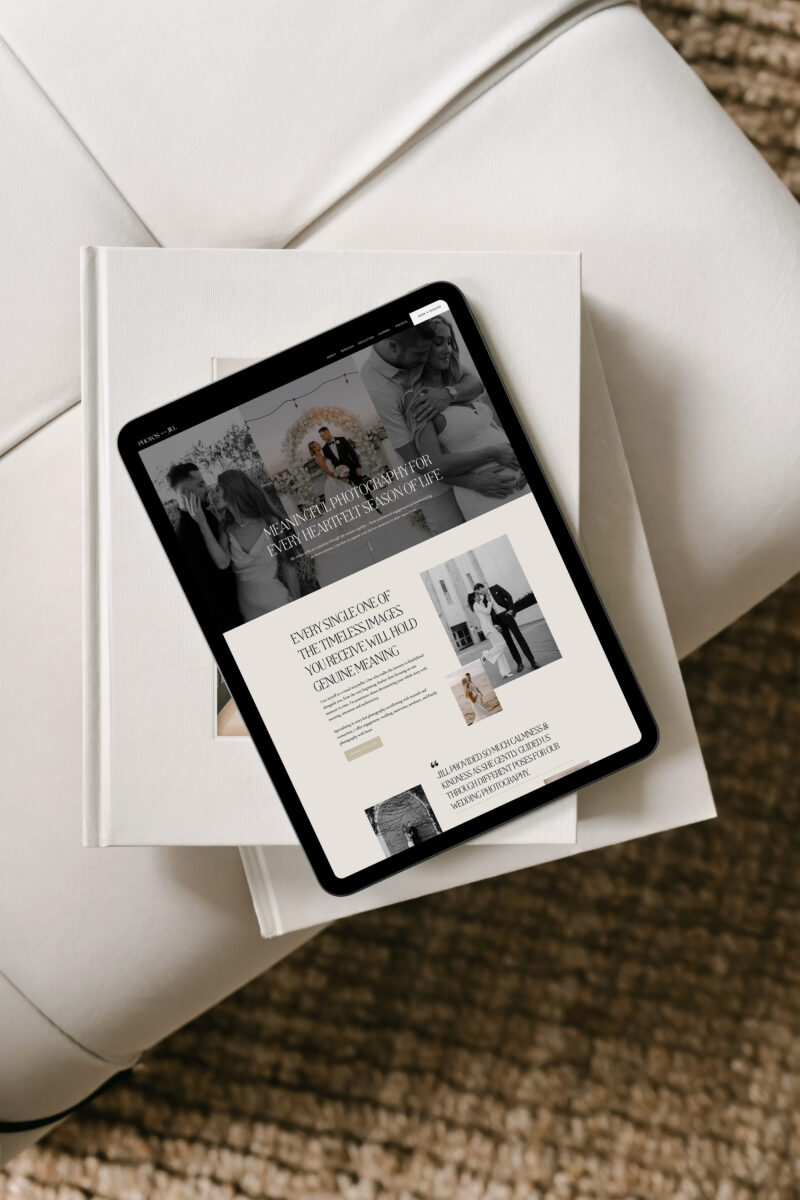
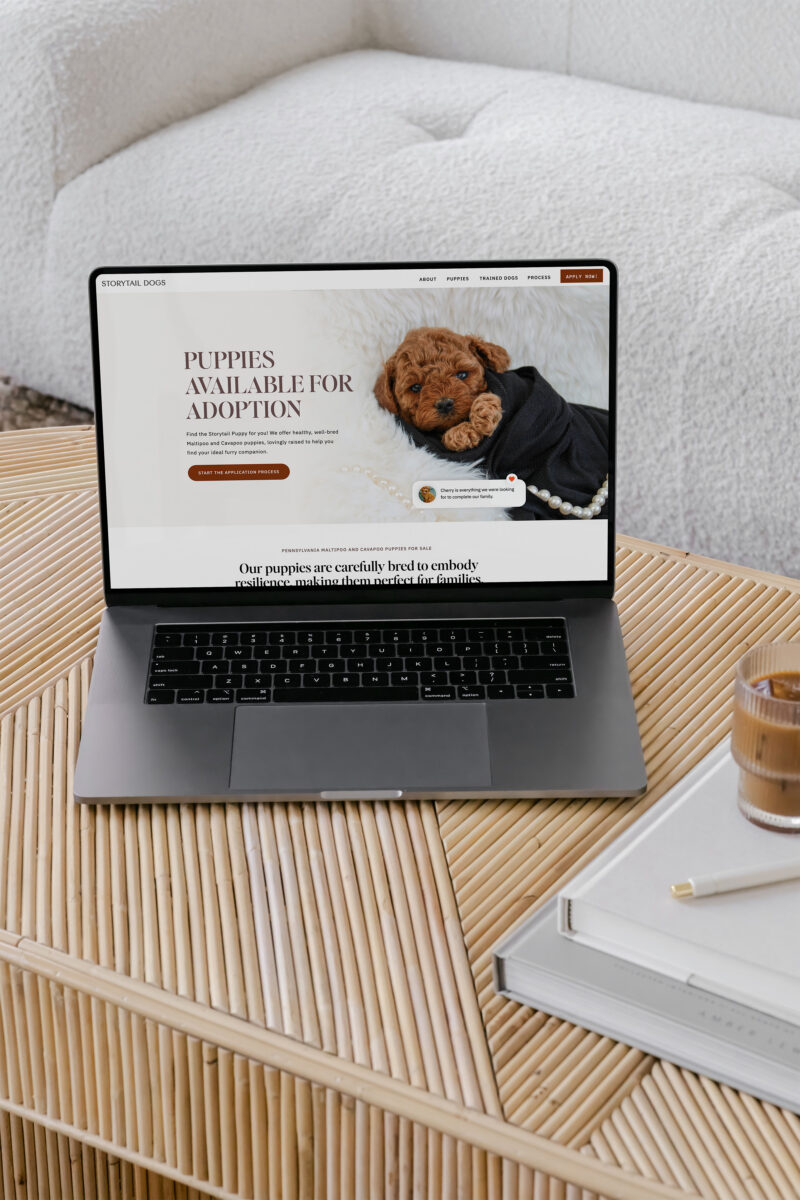
This is why I always encourage business owners to ask not only, “What does your package include?” but also, “What else might I need to budget for throughout this process?”
A good designer should be able to walk you through both, in my opinion, so don’t be afraid to ask.
Aside from that, I also think it’s important to understand what happens when your needs grow beyond the original scope of your project.
For example, if you decide halfway through that you want to add an additional service page, create a sales page, or make changes beyond your included refinement rounds, how does that work? Are additional pages available? Is there an hourly rate? Do they offer ongoing support after launch?
There is no right or wrong answer here as every designer structures their packages differently; but having those conversations upfront means everyone enters the project with the same expectations.
Remember, the goal isn’t to find the cheapest website designer.
It’s to understand the full investment and make sure it aligns with the experience and support you need. That’s a way better ROI in the long run, in my opinion.
5) How do you approach SEO during the website design process?
Now, SEO is one of those topics that has changed so much over the years !!
For a long time, businesses approached website design, development, and SEO as three separate parts of building an online presence.
- You had the designer creating the visual experience.
- The developer building the functionality.
- And the SEO specialist optimizing everything behind the scenes.
And while those roles still absolutely exist, I think the way we approach websites has become much more interconnected.
A website doesn’t exist in a vacuum anymore. The way someone discovers your business, interacts with your website, decides whether they trust you, and ultimately takes action all work together.
Now, this does not mean your website designer needs to replace an SEO strategist!
Some areas of SEO go beyond the scope of website design, including in-depth keyword research, content strategy, backlink building, and determining how to position your copy to attract specific search terms.
Those are incredibly valuable services and often deserve their own dedicated expertise. Buuuuut I do believe website designers should at least understand the foundational pieces of SEO because those decisions directly impact how effectively a website can perform.
This is also where I think it’s important to set realistic expectations!! Cause no designer should promise you’ll rank #1 on Google. If someone does, I’d probably run the other way.
SEO is not a magic switch that gets flipped the day your website launches. It is an ongoing strategy that involves your content, your competition, your industry, your audience, and so many factors outside of your website alone.
Your website designer can help you build a strong foundation so your website doesn’t have to fight an uphill battle from the beginning.
Related Post: Why Your Website Isn’t Getting Website Traffic and How to Fix It
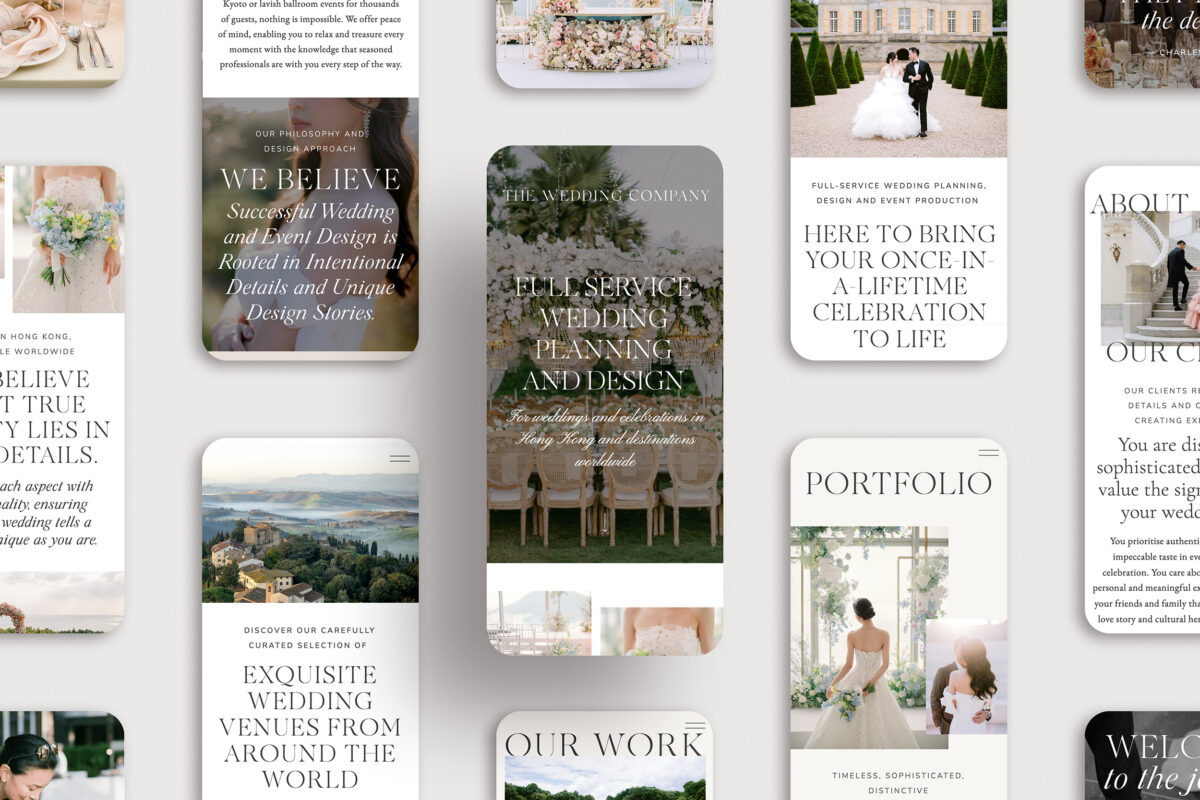
Think of it like a wedding planner. Their primary role is managing logistics: timelines, vendor communication, contracts, and making sure everything runs smoothly. But if they also understand design, they can create a more cohesive experience because they understand how all of those details work together harmoniously. Not every wedding planner is a designer, and not every wedding designer might be a planner.
The same applies to website design.
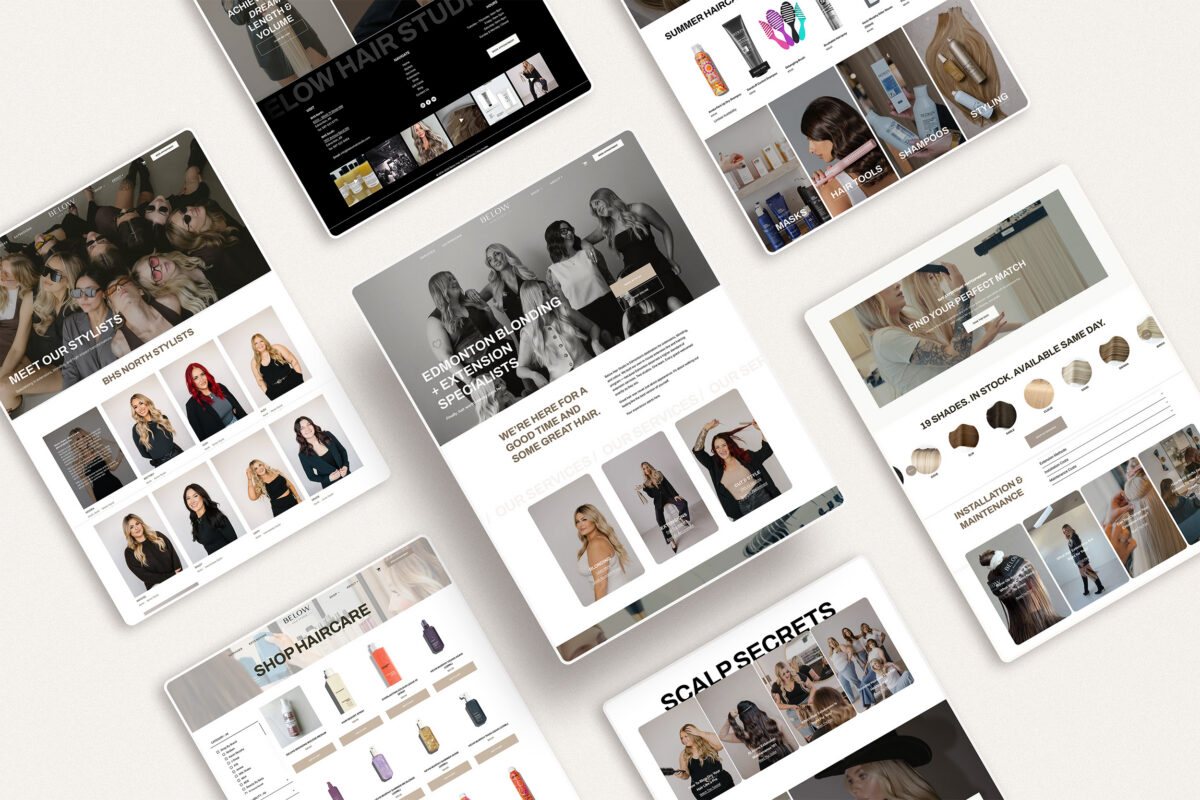
A designer who understands SEO can make more intentional decisions around things like overall design layout, navigation flow, and user experience. Those details may happen behind the scenes, but they impact both the person visiting your website and the way search engines understand your content.
When I’m designing websites, SEO is considered from the beginning rather than something added as a final checkbox before launch.
Because to me, a well-designed website isn’t just visually appealing. Your website should also guide visitors and search engines through your content in a way that feels clear and intentional. Things like heading structure, page organization, image optimization, metadata, and keyword implementation all contribute to a stronger foundation.
6) What kind of support or maintenance do you provide after launch?
Your business is going to continue evolving. You’ll launch new offers, refine your services, update your portfolio, add testimonials, and maybe even completely shift directions a few years from now.
Your website should be able to evolve with you.
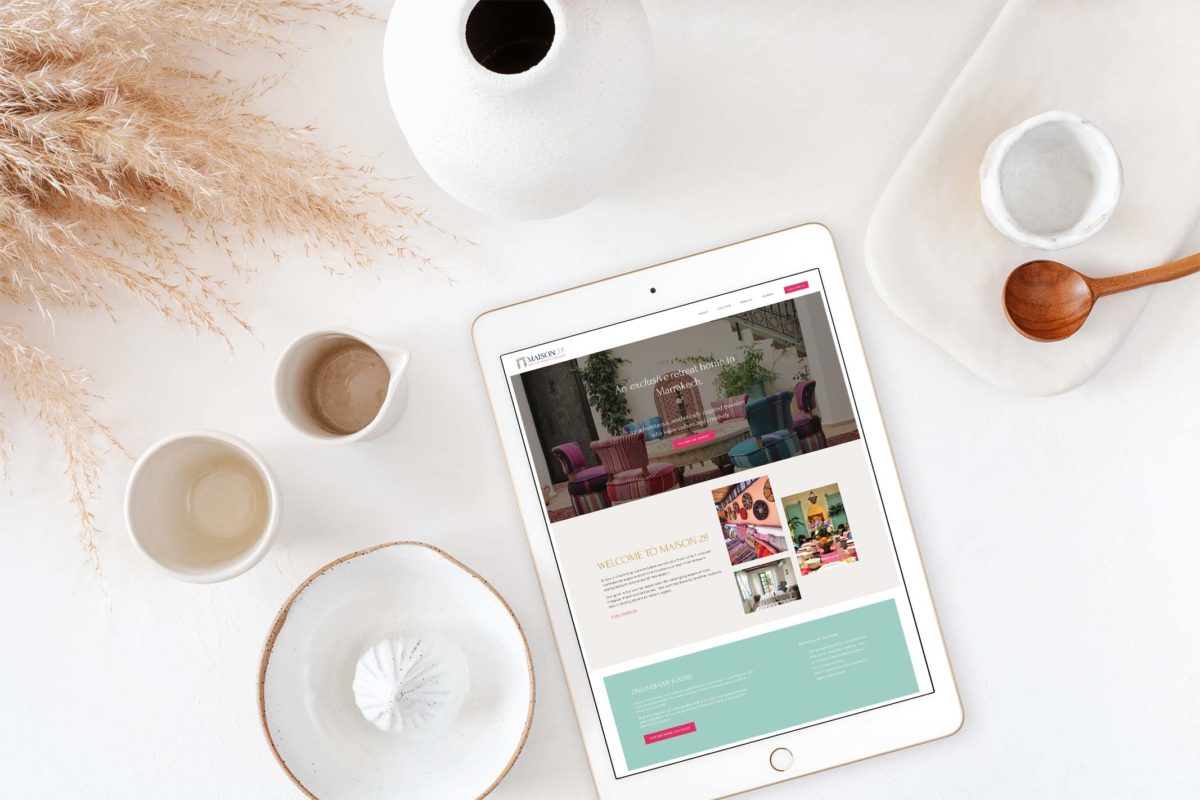
One of the reasons I love Showit is because I want my clients to actually feel ownership over their websites. I never want clients to invest thousands of dollars into a website they feel too intimidated to touch.
I’ve had conversations with business owners and past clients who were hesitant to update their previous websites because they were worried about accidentally breaking something or needing to email their designer for every tiny change.
And honestly? That always makes me sad 🙁
Your website should be a tool that supports your business, not something you feel afraid of.
That’s why part of my website design process always includes a website handover call where we walk through the backend together, review how everything works, and make sure you feel confident managing your website moving forward. Plus, a post-launch period to ask any questions they might have once they feel a bit more settled in with their new digital home.
Of course, there will always be updates or bigger projects that you may want support with — whether that’s adding new sections, designing a sales page, or simply having someone take care of the technical pieces while you focus on running your business. For those clients, I offer my Design Days or ongoing website support and maintenance because I know that sometimes the best investment you can make is having someone in your corner who already understands your brand.

Final Thoughts
Hiring a website designer is a little like hiring someone to renovate your home.
Yes, you want someone with great taste. But you also want someone who communicates well, has a clear process, is transparent about costs, and genuinely cares about creating something that’s built to last.
At the end of the day, hiring a website designer is about so much more than finding someone who can make your website look beautiful. It’s about finding someone who takes the time to understand your business, your goals, and the experience you want to create for the people who land on your website.
So ask the questions. Get curious. Find the designer whose process, perspective, and personality align with what you’re building.
Because when the right strategy and design come together, your website becomes more than a place people visit. It becomes a reflection of the business you’ve worked so hard to create.
If this resonated and you are intrigued about working together for your website, I’d love to connect and see how we can collaborate together. Get started by booking a complimentary discovery call here!


FREE One-Page Showit Website Template
Take Showit For A Spin
Bringing your designer into your photoshoot ensures every image is intentionally aligned with your website, messaging, and designed to convert, not just look beautiful!

Why Work With A Website Designer When Planning A Brand Photoshoot
Finally, a design-forward AND user-friendly email marketing tool that makes sending emails fun again while bringing in actual conversions and results!

Why Flodesk Is The Best Email Marketing Platform For Small Business Owners
Read the post →
Readers' Favorites
read the post →


 connect with me on the gram!


© Vividly Made 2020-2026


