


I feel like if there is one thing that’s contributing to small business owner burnout… it’s marketing. More businesses are popping up left and right, technology keeps evolving, and by the time you feel like you’ve figured out one platform, the algorithm changes and you’re basically starting from scratch. So if you’ve been feeling completely burned out by the pressure to post on social media every single day just to stay visible… this post is for you because I promise you, there is a better way!
Did you know… HubSpot’s 2025 Web Trends Report found that Google Search remained the top traffic-driving channel for websites, despite AI and social media shifts?! And that SEO drives 1,000%+ more traffic than organic social media.
Here’s what I believe: your website is actually the more sustainable, long-term way to grow, and honestly, one of the biggest reasons I’m so passionate about web design. But having a website doesn’t automatically mean people will find it. It still needs effort, strategy, and attention just like any digital marketing platform. The future of SEO isn’t about publishing the most content. It’s about creating thoughtful, experience-driven content rooted in genuine expertise and clear positioning.
So if you’ve been wondering why your website traffic isn’t moving, let’s get into it.
First, Let’s Bust a Few Website Myths
Before we get into the actual reasons, I need to address a few things I hear ALL the time cause we don’t gate-keep around here.
Myth #1: “Set it and forget it.”
Oh, if only!! A lot of people build their website, launch it, and then move on… assuming it’ll quietly do its thing in the background forever. The reality? A website that isn’t being updated, refreshed, or added to is a website that slowly loses relevance in Google’s eyes. Fresh content, updated pages, and new blog posts all signal that your site is alive and worth showing people. Google notices when you go quiet.
Myth #2: “As long as I have a website, Google knows it exists.”
Weeellll…. I’m sorry to burst your bubble but unfortunately, that’s not the case, and I know that’s surprising! Your website actually needs to be indexed by Google before it can show up in search results at all. Just hitting publish on a page doesn’t mean Google has found it yet. (I’ll dig into this more in Reason #5 below!)
Myth #3: “SEO is dead.”
According to this report published in 2024, 53.3% of all website traffic comes from organic search! Which means… SEO is very much alive, my friend, it’s just evolved. It’s not about cramming keywords into every sentence anymore. Search engines have gotten way smarter, and they now reward things like quality content, great user experience, site authority, and page speed. Which brings me to what Google is actually looking for…

What Search Engines Are Rewarding (and Why It Matters for Your Website Traffic)
Understanding what search engines actually care about makes everything else click into place! Here’s a quick breakdown of the indicators that matter most when search engines are ranking your website:
- Site speed: How fast your pages load. Slow sites get pushed down in rankings and lose visitors before they even see your content. Double whammy.
- New vs. returning visitors: A healthy mix tells Google your site is worth coming back to.
- Content quality: Is your content genuinely helpful and relevant? Or is it thin, vague, or copy-pasted from AI without a second thought?
- Authority: Are other credible websites linking back to yours? This builds trust with search engines over time.
- Time on site: How long are visitors actually sticking around? If people are clicking away immediately, that’s a signal that something isn’t working.
Okay! Now that you have that context, let’s dive into the six most common reasons your website traffic isn’t where you want it to be.
Your Website Is Slow to Load
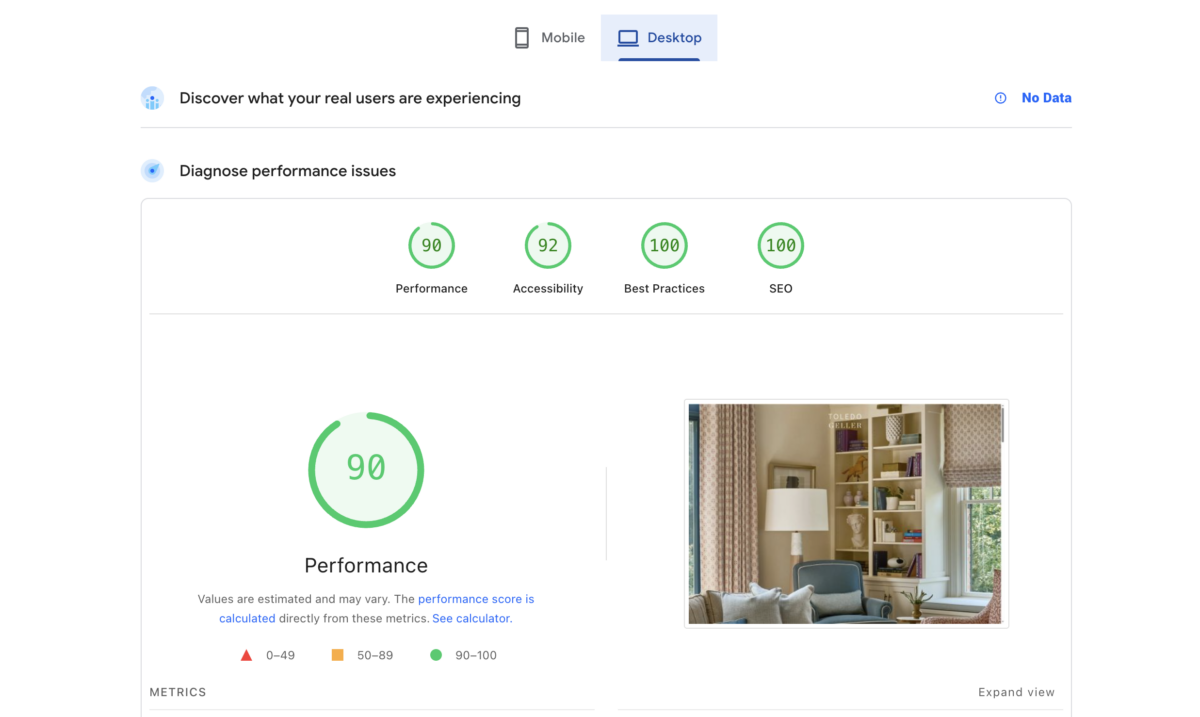
This is a big one, and honestly? It’s one of the most fixable!! If your website takes more than a few seconds to load, most visitors are already gone. Unfortunately, us humans are very impatient when it comes to loading screens and Google knows it. Page speed is a direct ranking factor, which means a slow site gets pushed down in search results before anyone even has the chance to click on you.
If you’re uploading full-resolution files straight from a photoshoot, your site is carrying way more weight than it needs to. Other contributors include bloated code, too many plugins, and uncompressed videos so be sure to take your website speed seriously and compress wherever possible.
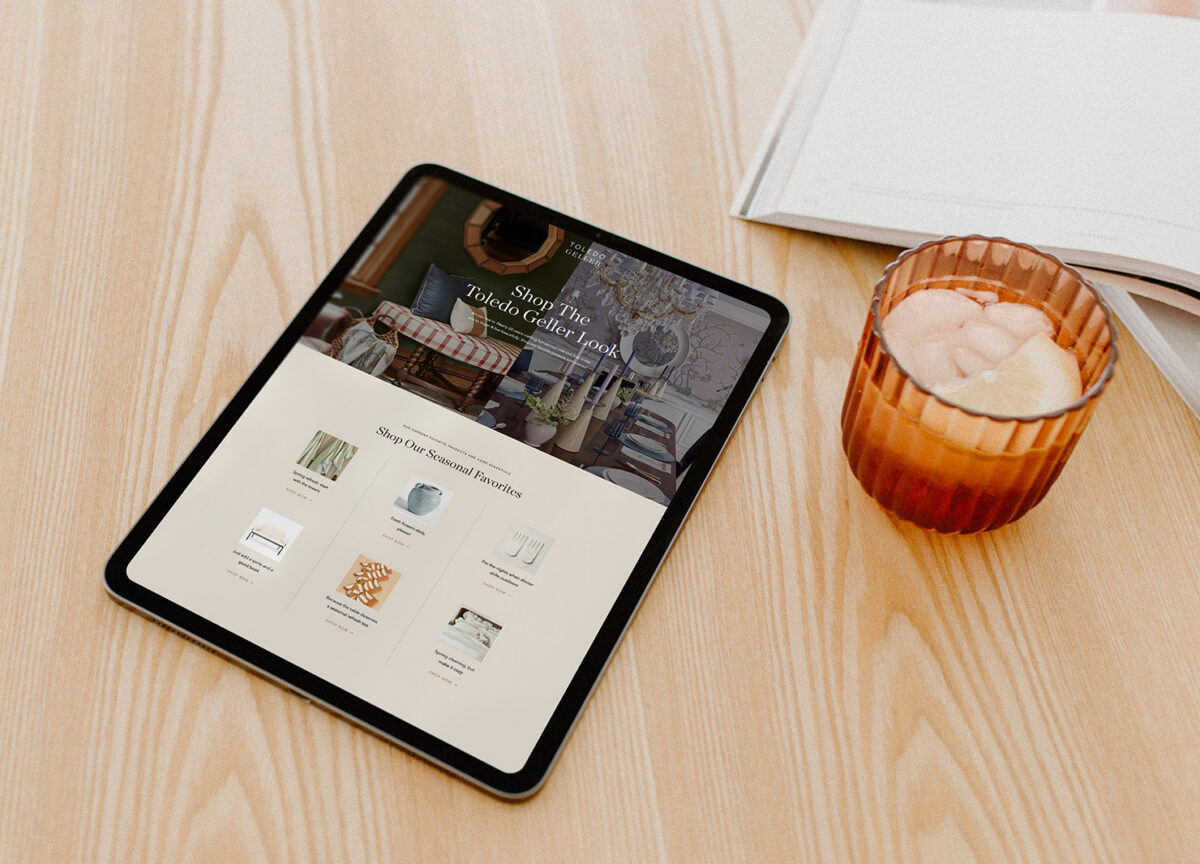
✨ Take Action: Run your site through Google PageSpeed Insights to see how you’re scoring. Then start with your images: compress them to around 350–500KB before uploading, save them as JPEGs, and rename them descriptively before they go live. I have a whole blog post on exactly how to do this for Showit websites if you need a step-by-step walkthrough!
You’re Not Using the Right Keywords
You might be adding copy to your website, but if you’re not using the actual words and phrases your ideal clients are typing into Google, it’s going to be really hard to show up for them. This is one of the biggest missed opportunities I see, and it’s such a shame because the fix isn’t complicated!
Targeting super high-competition keywords (think: “website designer” vs. “Showit website designer for wedding photographers in Ottawa”) means you’re competing against thousands of sites with way more authority. My advice? Niche down. Get specific. Long-tail keywords (multi-word search phrases) are honestly where a lot of the real opportunity lives for smaller businesses.
And one more thing while we’re here: simply copy-pasting AI-generated content onto your website without editing it IS a real liability and bad for your SEO. Search engines are getting much better at identifying generic, low-quality AI content, and it can actually hurt your rankings. Using AI as a brainstorming and drafting tool is totally fine (no shame!) but please make sure you’re adding your own voice, expertise, and personality before anything goes live.
Related Post: Why Heading Tags Matter For SEO
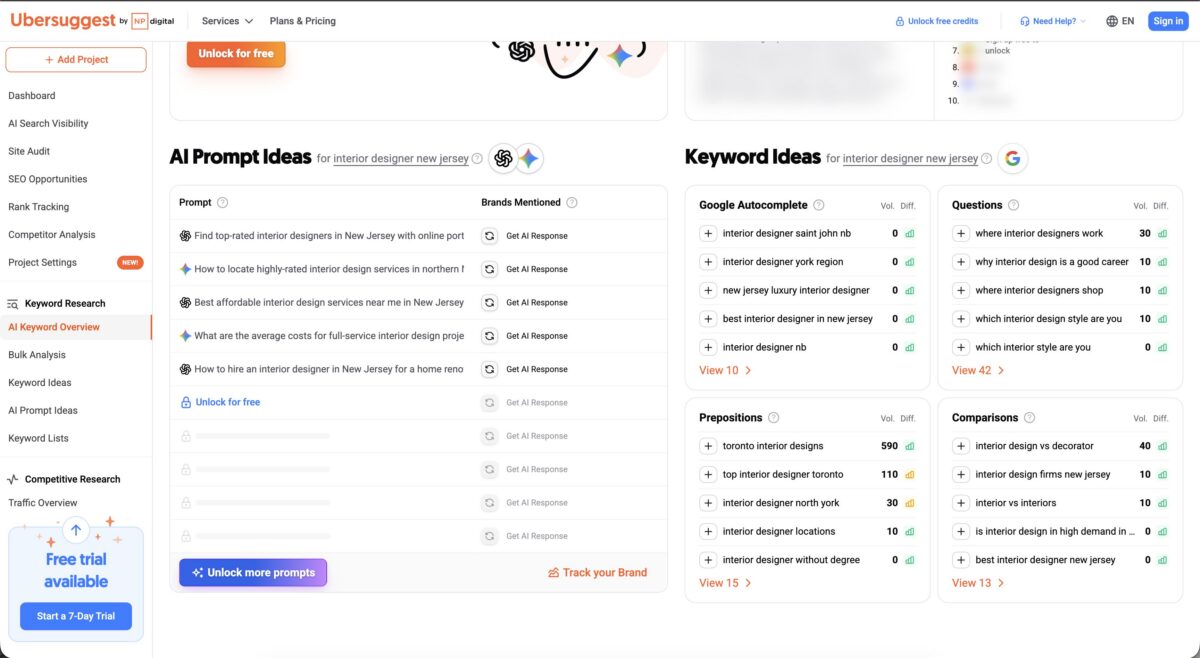
✨ Take Action: Do a mini keyword audit of your own site. Read through your homepage and service pages and ask yourself: “Are these the actual words my dream client would type into Google?” If not, it’s time for a refresh. From there, tools like Ubersuggest have free plans that let you research keyword ideas and see how competitive they are, which is a great starting point for finding gaps and opportunities without getting too deep into the weeds.
Your Website Has Poor User Experience and No Clear CTAs
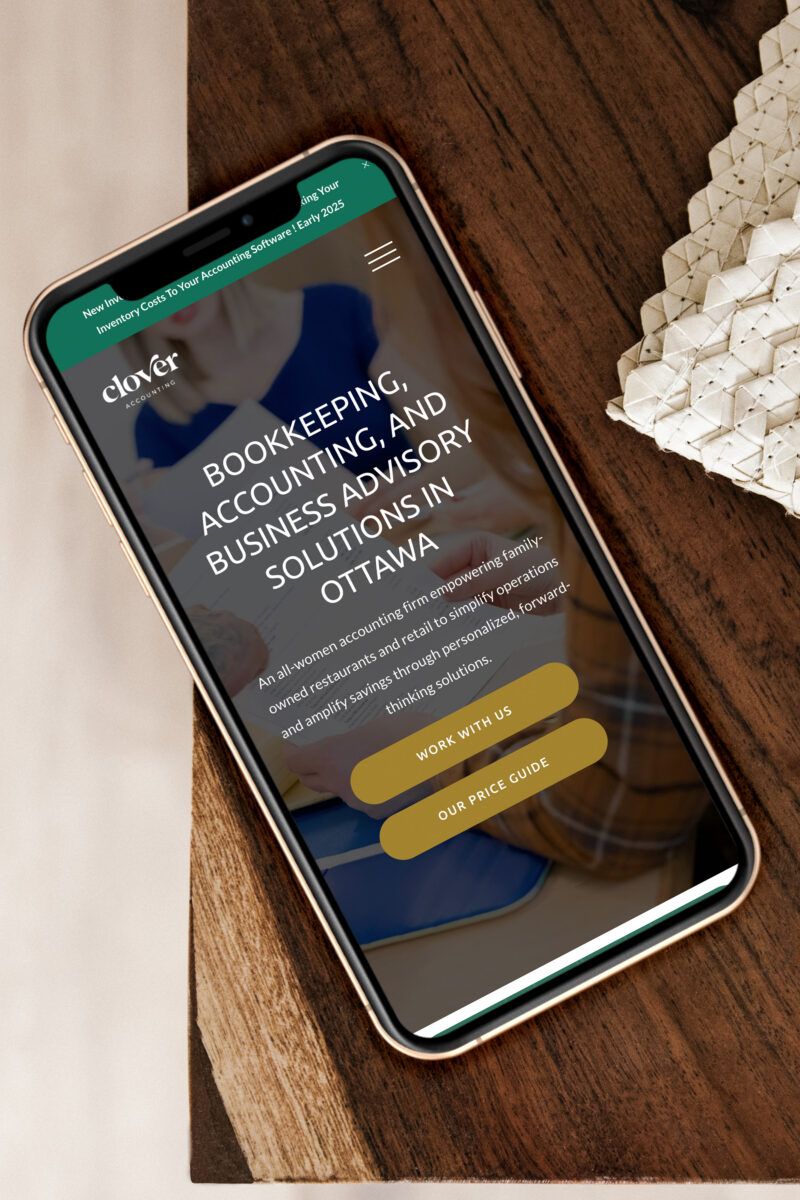
Getting people to your website is only half the battle. Keeping them there and guiding them somewhere meaningful is the other half. If your site is confusing to navigate, visually overwhelming, or just… doesn’t tell people what to do next, they’re going to leave. And that high bounce rate tells Google your content isn’t delivering what people were looking for.
Every single page of your website should have a clear call to action. Whether that’s booking a discovery call, reading a related blog post, signing up for your email list, or browsing your portfolio… your visitors should never land on a page and think, “okay… now what?” That’s where intentional design and strategic structure make all the difference. A beautiful website that doesn’t guide anyone anywhere isn’t actually working for you!
✨ Take Action: Walk through your website like a first-time visitor. Start on your homepage and ask yourself: What is the goal of this page? Is there one clear next step? Do my CTAs actually make sense for where someone is in their decision-making journey? If you’re finding dead ends, that’s exactly where to start. A simple button or a “you might also like” link can make a huge difference.
You Don’t Have a Solid Plan to Drive Traffic to Your Website
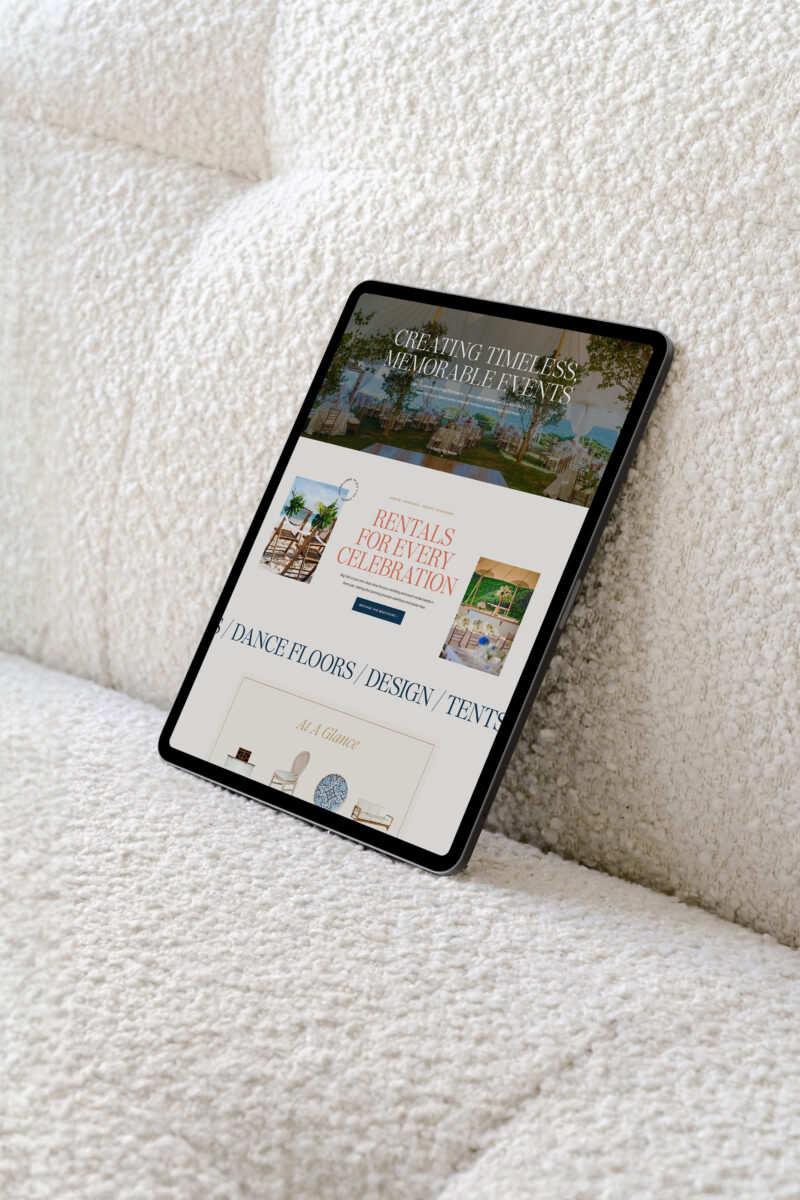
Similar to opening a storefront on a quiet street without any promotions, your website won’t just generate traffic on its own, especially not in the beginning. You need to be actively sending people there. This is where a lot of business owners get stuck because they think that now that they’ve built the website, the work is done. But your website is the destination. Marketing is how people get there.
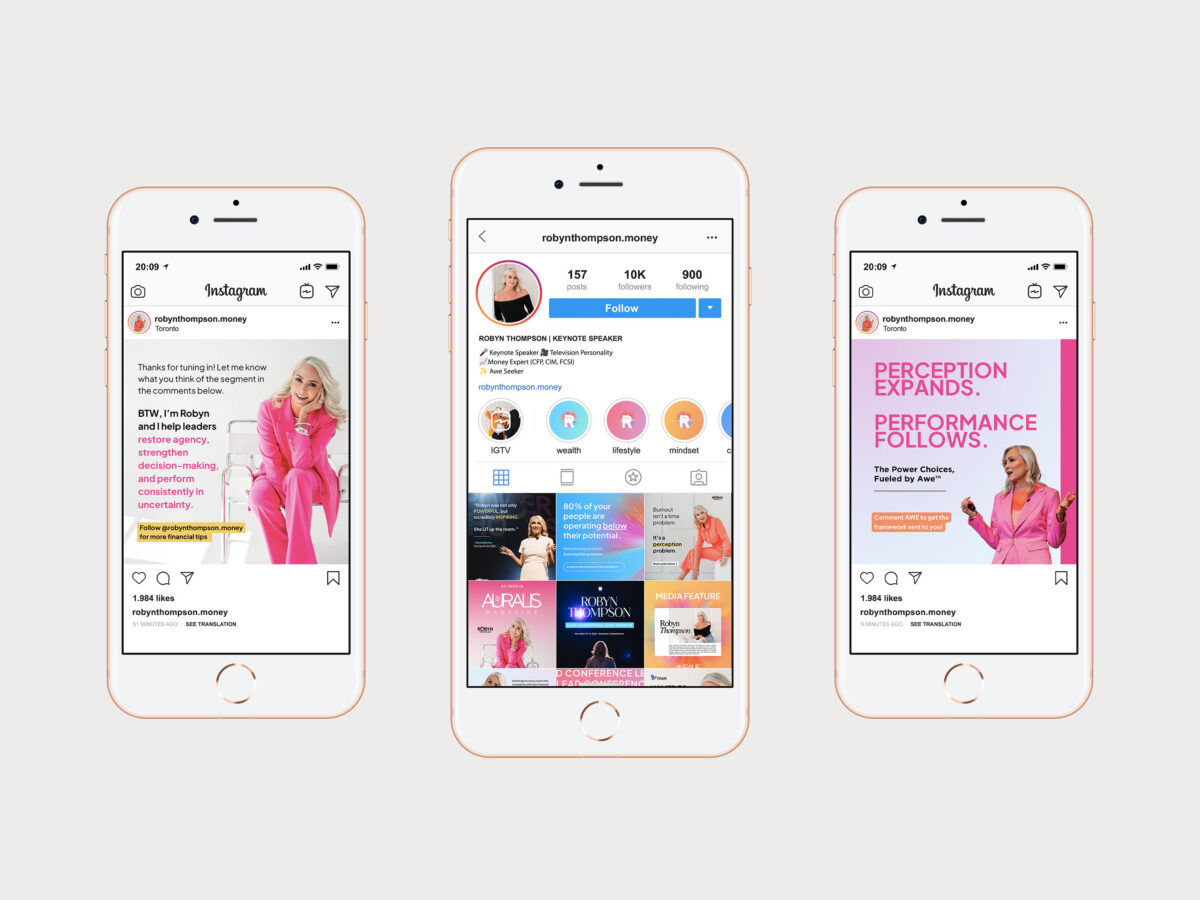
That might look like Pinterest, a consistent blog strategy, email marketing that links back to your site, or social media content with a clear “read more” or “link in bio” CTA. Your website needs a traffic strategy behind it! Otherwise, it’s just quietly sitting there and waiting to be found… while you wonder why nothing is happening.
✨ Take Action: Don’t try to be everywhere all at once (… cause that’s the fast track to burnout, and we don’t want that!) Instead, pick one platform for community building (somewhere you’re showing up and connecting like Instagram or TikTok) and one for visibility and reach (somewhere that works for you even when you’re not actively posting, like Pinterest or Substack). Use them intentionally to drive traffic to each other, and ultimately, back to your website. We’re ALL about sustainability here!!
Google Doesn’t Actually Know Your Website Exists Yet
This one genuinely catches people off guard, and I want to say it loud (and one more time!!) for the people in the back: publishing a web page is not the same as ranking on Google. Your website needs to be indexed first: meaning Google has to find it, crawl it, and add it to its search database. That doesn’t happen automatically just because you hit publish.
To check if your site is indexed, type site:yourdomain.com into Google and see what comes up. If nothing (or very little) appears, that’s your answer right there.
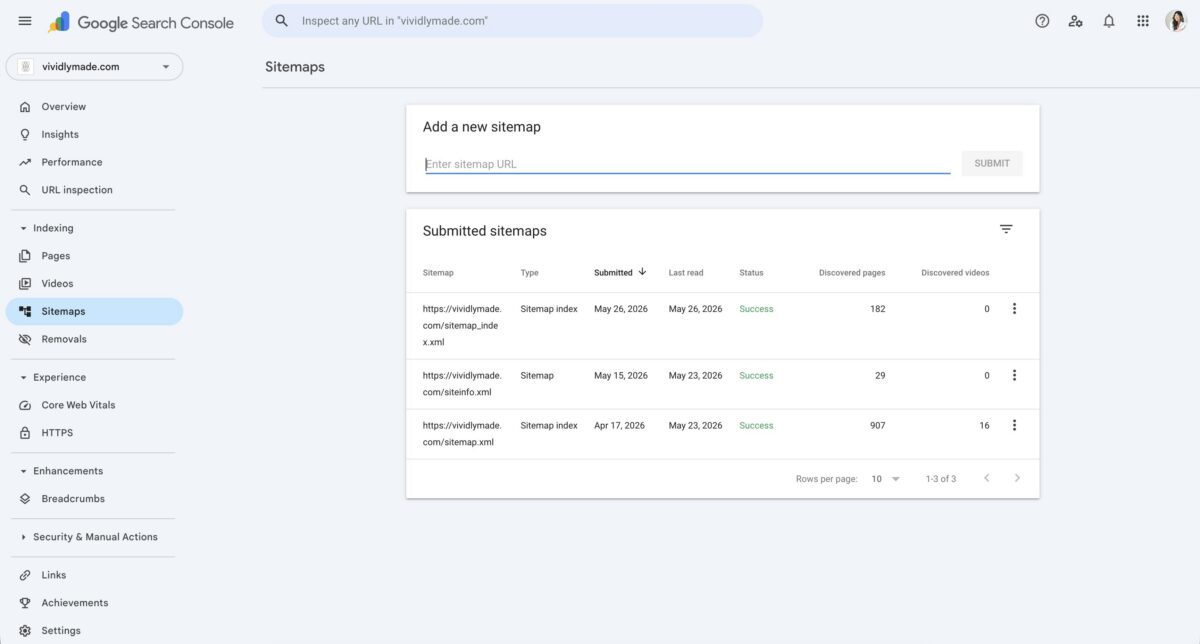
✨ Take Action: Sign up for a free Google Search Console account and submit your sitemap: this tells Google exactly what pages exist on your site and makes it so much easier for it to find and index them. If you’re on Showit, your sitemap URL is typically yourdomain.com/sitemap.xml. Head into Google Search Console, click “Sitemaps” in the left menu, paste that URL, and hit submit. That’s it! You can also use the URL Inspection tool to manually request indexing for specific pages you really want Google to prioritize.
You Don’t Have a Google Business Profile
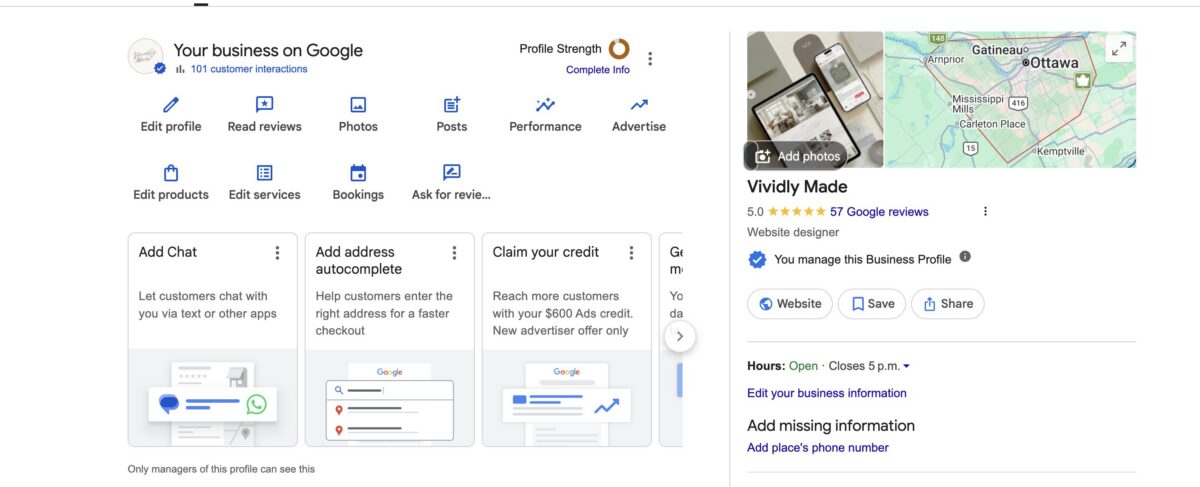
If you serve clients in your city, not having a Google Business Profile is leaving visibility on the table!! This is the listing that pops up when someone searches for a service near them, and it has its own local search algorithm that works separately from your regular website SEO.
A complete, active Google Business Profile with real reviews, updated info, photos, and your service area? It can seriously increase your chances of showing up when someone nearby is searching for exactly what you do. It’s free to set up. It’s one of the most under-utilized tools I see service-based business owners skipping. If you don’t have one yet, go spend a few minutes and set it up today!!
✨ Take Action: Head to Google Business Profile and get your listing set up (or claim it if it already exists). Fill out everything — your services, hours, service area, website link, and photos. Then reach out to a few past clients and ask if they’d be willing to leave you a Google review. Even 3–5 genuine reviews can make a significant difference in how your profile performs.
Your Website Traffic Audit Checklist
Okay, I know that was a lot to digest so let’s bring it together! Here’s a simple way to audit where you’re at right now:
- Speed: Have you run your site through Google PageSpeed Insights recently? Are your images compressed?
- Keywords: Does your copy use the actual language your ideal client would search? Are you going specific enough?
- User experience: Does every page have a clear CTA? Is it obvious what someone should do next?
- Traffic plan: Are you actively driving people to your website, or just hoping they find it?
- Indexing: Is your site in Google Search Console? Have you submitted your sitemap?
- Local visibility: Do you have a Google Business Profile with reviews and complete info?

What I Prioritize as Your Showit Website Designer
I’ll be upfront: I’m a brand and website designer, not a copywriter or a dedicated SEO strategist. But here’s what I can tell you: not all website designers think about SEO as part of their design process, and that’s where things can quietly go sideways even with a gorgeous site.
When I build or refresh a website, I’m not only thinking about how it looks. I’m thinking about how it functions — for your visitors and for search engines. That means headings tagged properly in the right order, images compressed with descriptive alt text, a clean and logical site structure, and design that actively guides people toward taking action. A website that looks stunning and is set up to actually perform? To me, that’s always the goal.
If your website is overdue for a strategic refresh, one that’s designed to attract website traffic and actually convert visitors into inquiries, let’s chat about a website design project!
Or if you’re not sure where to start, a Website Audit for $99 gives you a clear, honest breakdown of what’s working, what isn’t, and exactly what to prioritize first. Book your website audit here →
I always say that your website should be working for you around the clock and your hardest-working employee… so let’s make sure it actually is!!



FREE One-Page Showit Website Template
Take Showit For A Spin
Bringing your designer into your photoshoot ensures every image is intentionally aligned with your website, messaging, and designed to convert, not just look beautiful!

Why Work With A Website Designer When Planning A Brand Photoshoot
Finally, a design-forward AND user-friendly email marketing tool that makes sending emails fun again while bringing in actual conversions and results!

Why Flodesk Is The Best Email Marketing Platform For Small Business Owners
Read the post →
Readers' Favorites
read the post →


 connect with me on the gram!


© Vividly Made 2020-2026


